Lyceum Campus Nursing Students Commence Clinical Training at Kings Hospital Colombo
Author
Lyceum Campus Admin
Published
September 18, 2026
Milestone marks an important step in the professional development of the inaugural Higher Diploma in Nursing cohort
Colombo, 24 August 2026: The inaugural batch of Higher Diploma in Nursing (NVQ Level 6) students at the Faculty of Medical Sciences, Lyceum Campus, commenced their clinical training at Kings Hospital Colombo on 24 August 2026, marking a significant milestone in their academic and professional journey.
The commencement of clinical training represents an important transition from classroom-based learning to practical experience in a professional healthcare environment. For the inaugural cohort of Lyceum Campus nursing students, it marks their first major step into the clinical setting as they begin applying the knowledge and skills acquired through their academic training to real-world patient care.
The Higher Diploma in Nursing (NVQ Level 6) programme was introduced by the Faculty of Medical Sciences, Lyceum Campus, in response to the growing need for professionally competent and well-trained nursing professionals in Sri Lanka and beyond. The programme is strengthened by its clinical partnership with Kings Hospital Colombo, a modern tertiary healthcare institution supported by advanced medical facilities and experienced consultants and healthcare professionals.
The clinical training provides students with an opportunity to complement their academic education with supervised hands-on experience in a professional healthcare environment. Subject to applicable recruitment requirements and vacancies, graduates may also have opportunities to pursue employment at Kings Hospital.
Integrating Academic Excellence with Clinical Experience
From the commencement of the programme, students have been provided with opportunities to develop their theoretical knowledge and practical abilities through academic instruction, laboratory sessions, practical classes and skills-based learning.
The curriculum encompasses a comprehensive range of nursing and healthcare disciplines, including Fundamentals of Nursing, Anatomy and Physiology, Pharmacology, Adult Nursing, Community Health, Paediatric Nursing, Women’s Health, Geriatric Care, Psychiatric Nursing, Palliative Care, Research, and Nursing Management and Leadership.
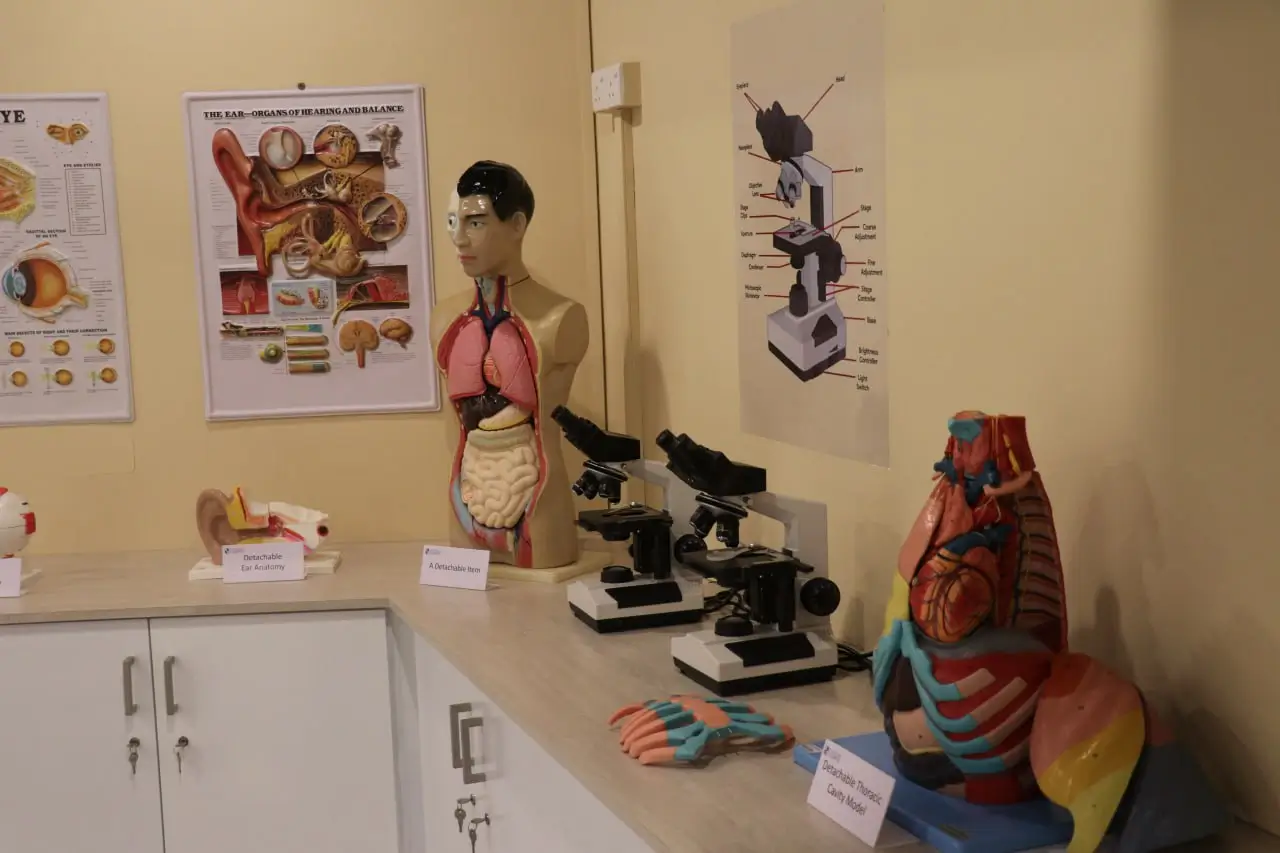
The Faculty of Medical Sciences at Lyceum Campus places considerable emphasis on hands-on and experiential learning. Students have access to an Anatomy Museum, Physiology Laboratory, Medical Skills Centre and Nursing Skills Training Centre, providing a structured environment in which they can develop and practise essential knowledge and clinical skills.
The Faculty’s facilities include plastinated human anatomical specimens, bones and skeletons, together with modern biomedical teaching and training equipment. These resources support students in developing a strong understanding of human anatomy, physiology and clinical practice across the Faculty’s medical, nursing and biomedical science programmes.
The Higher Diploma in Nursing programme is delivered by a multidisciplinary team of experienced academic and clinical professionals, including senior clinicians, critical care specialists, consultant surgeons, anaesthetists, public health and community health specialists, as well as experienced nurse educators and trainers.
The combination of academic expertise and clinical experience provides students with a strong educational foundation while exposing them to the professional standards and expectations of contemporary healthcare practice.
Developing Knowledge, Skills and Professional Values
The objective of the Higher Diploma in Nursing programme extends beyond academic knowledge and technical competence. The programme aims to develop nursing professionals with the knowledge, hands-on skills, professional values, attitudes and mindset required to provide safe, effective and compassionate patient care.
Nursing is a profession that requires much more than the ability to perform clinical procedures. Nurses have a central role in supporting patients and their families, communicating with them, providing reassurance and contributing to their overall wellbeing.
They also work as members of multidisciplinary healthcare teams alongside doctors, pharmacists, laboratory professionals, therapists and other healthcare personnel. Effective communication, collaboration and professional responsibility are therefore essential components of quality nursing practice.
The programme places particular emphasis on qualities such as empathy, patience, responsibility, professional ethics, communication, teamwork and respect for patient dignity.
The inclusion of Spoken Medical English further strengthens the programme by helping students develop the communication skills required in clinical environments. Effective medical communication is essential for patient interaction, professional collaboration and future career opportunities in an increasingly global healthcare sector.
From the Classroom to the Hospital
Clinical education is an essential component of professional nursing preparation. While classroom and laboratory learning provide students with the theoretical foundation required for nursing practice, clinical exposure enables them to understand how that knowledge is applied in real patient-care situations.
At Kings Hospital Colombo, students will gain exposure to a professional hospital environment under the guidance and supervision of experienced healthcare professionals.
Their clinical experience will support the development of competencies in patient care, clinical observation, communication, teamwork, professional conduct and the practical application of nursing knowledge and skills.
The hospital environment will also enable students to develop a deeper understanding of multidisciplinary healthcare. As they work alongside different categories of healthcare professionals, students will learn the importance of communication, collaboration and coordinated care in achieving positive outcomes for patients.
Clinical training will also help students appreciate the human dimension of nursing. Every patient interaction provides an opportunity to understand the importance of listening, compassion, reassurance, respect and maintaining the dignity of those receiving care.
A Significant Milestone for the Inaugural Cohort
The commencement of clinical training is particularly significant for the inaugural cohort of Higher Diploma in Nursing students at Lyceum Campus. As the first students of the programme to enter the clinical learning environment, their experiences will form an important part of the continuing development of the Nursing programme.
The transition from the classroom to a professional hospital environment will present new challenges and responsibilities. Students will learn to adapt to professional routines, communicate effectively with patients and healthcare teams, work within a multidisciplinary environment and appreciate the responsibilities associated with professional nursing practice.
These experiences will contribute to their development as confident and responsible future nursing professionals.
The clinical learning experience extends beyond the acquisition of nursing procedures. It provides students with opportunities to develop professional judgement, discipline, interpersonal skills, ethical awareness and the confidence to respond appropriately to different patient-care situations.
Strengthening Nursing Education at Lyceum Campus
For the Faculty of Medical Sciences, Lyceum Campus, the commencement of clinical training at Kings Hospital represents more than the beginning of a clinical placement. It is an important milestone in the development of its Nursing programme and reflects the Faculty’s commitment to integrating academic education with meaningful clinical experience.
The partnership brings together the academic and professional expertise of Lyceum Campus and Kings Hospital, creating opportunities for students to connect theoretical learning with practical application in a professional healthcare setting.
Through this approach, Lyceum Campus aims to prepare nursing professionals who are equipped not only with sound academic knowledge and practical clinical skills, but also with the professional values, attitudes and mindset required to respond to the evolving needs of patients, communities and the healthcare sector. The journey towards becoming a professional nurse requires dedication, discipline, continuous learning and a strong commitment to patient care.
The commencement of clinical training at Kings Hospital provides the inaugural students with an important opportunity to begin developing these qualities through direct experience within a professional healthcare environment.
As the inaugural cohort embarks on this new stage of their education, Lyceum Campus extends its best wishes to all students for a successful and rewarding clinical training experience.
Their journey marks a new chapter in their individual professional development and an important milestone in the continuing development of nursing education at Lyceum Campus. The knowledge, skills and professional values they develop during their training will help shape their future contributions to the nursing profession and the wider healthcare sector.
The Faculty of Medical Sciences at Lyceum Campus is committed to providing high-quality education and training in Medical, Nursing and Biomedical Sciences. Through a combination of academic instruction, practical skills training, modern learning facilities and clinical exposure, the Faculty seeks to prepare graduates with the knowledge, competencies and professional values required to contribute effectively to the healthcare sector.
The Faculty’s educational approach integrates theoretical learning with hands-on training and professional development, with an emphasis on developing competent, responsible and compassionate healthcare professionals who are prepared to meet the changing needs of healthcare locally and globally.