
Faculty of Engineering
Where Engineering Meets Innovation
Welcome to the Faculty of Engineering
Welcome to the Faculty of Engineering, where creativity, technology and
engineering excellence come together to shape the solutions of tomorrow.
Our programmes are designed to equip students with the technical knowledge,
practical mechatronic and innovative mindset needed to thrive in a rapidly evolving
technological world. Through a strong emphasis on hands-on learning, engineering
design, problem-solving and real-world applications, students are encouraged to
turn ideas into solutions.
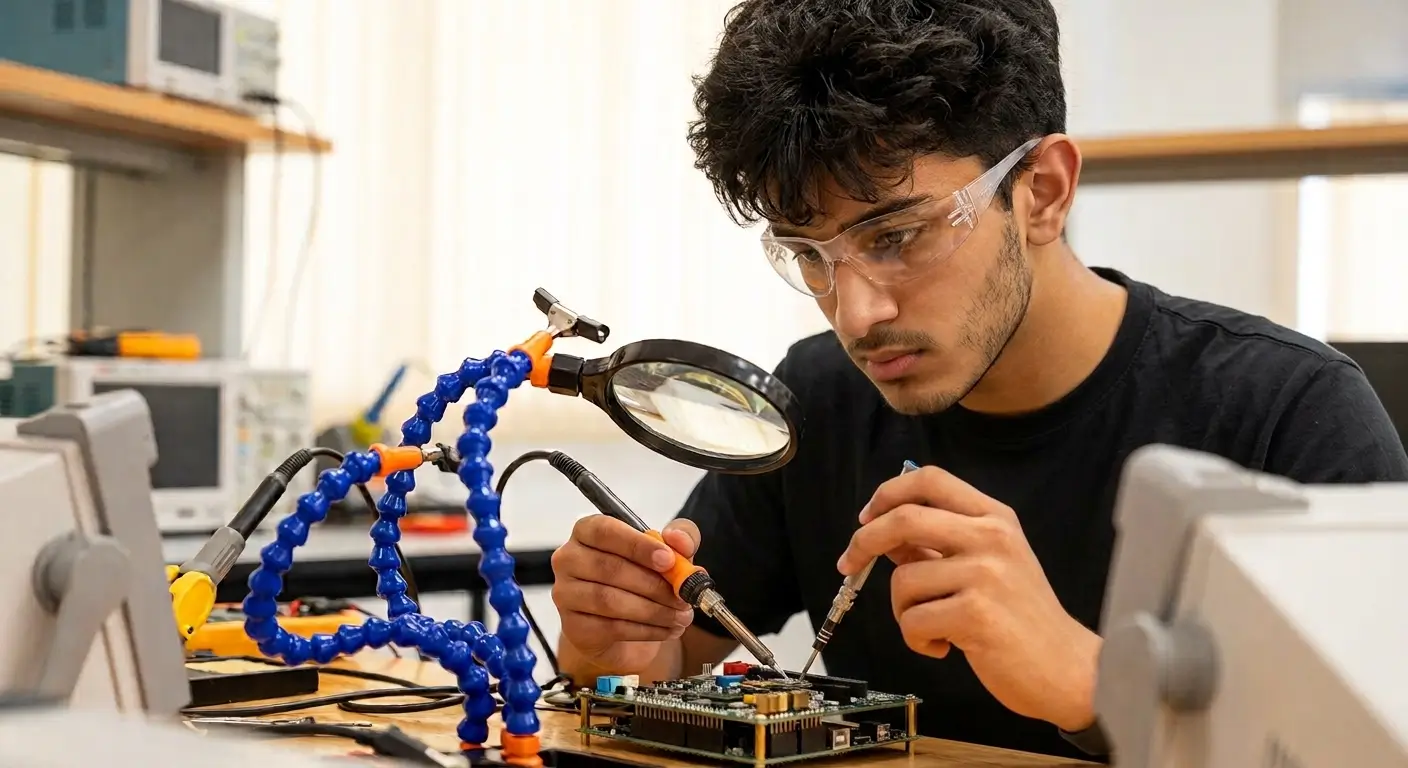
Our Engineering Portfolio
Brings Together Two Dynamic and Future-Focused Disciplines
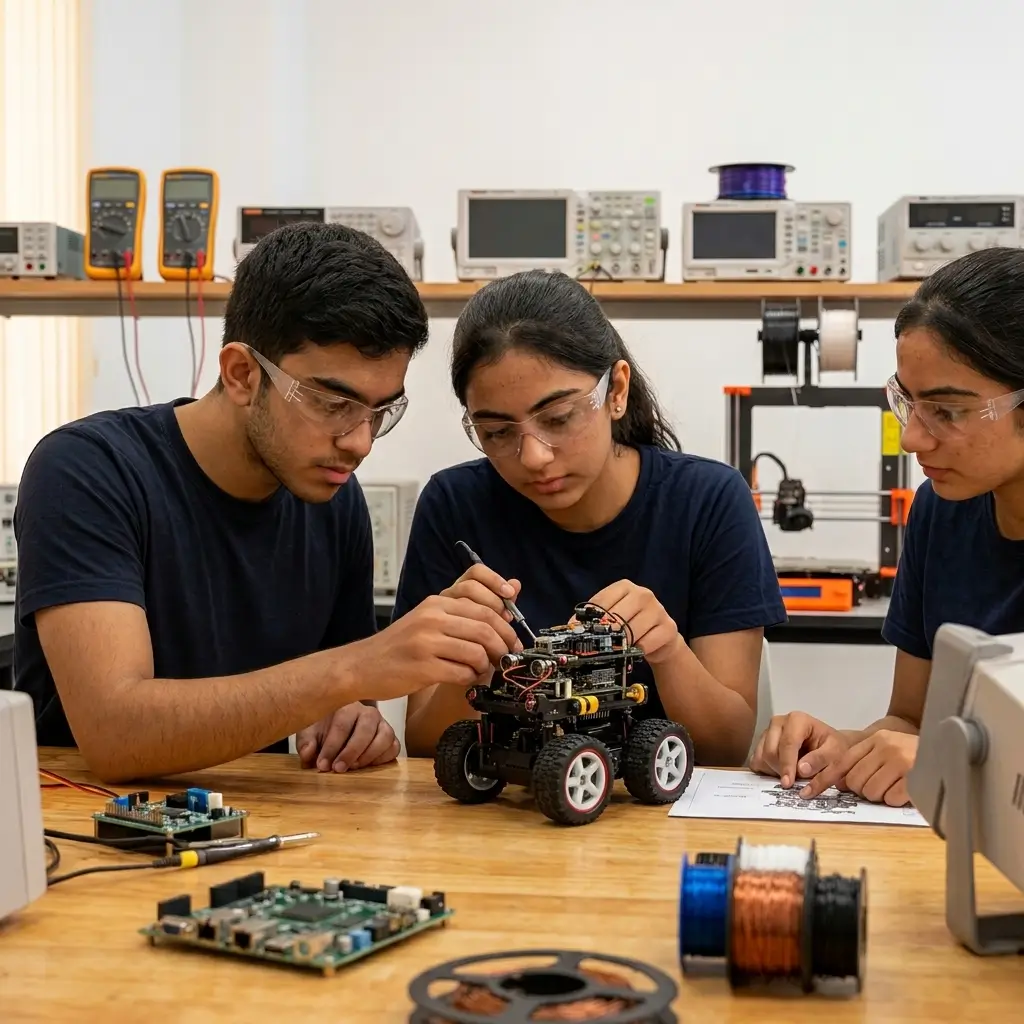
Department of
Mechatronics Engineering
Integrating mechanical engineering, electronics, control systems, automation, robotics and intelligent technologies to create the smart machines and automated systems of the future.
View More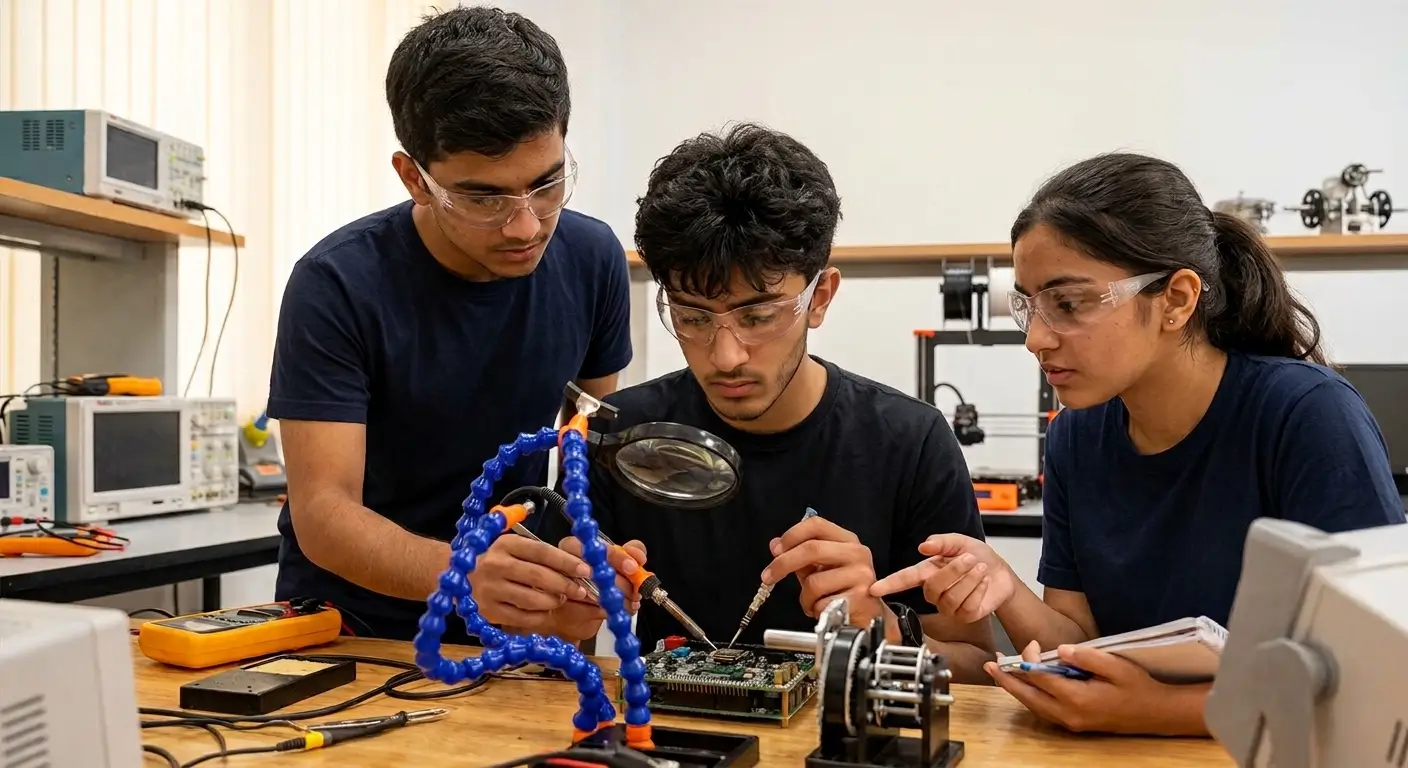
Department of
Electrical & Electronics Engineering
Exploring electrical systems, electronics, power, control, communications, embedded systems and emerging technologies that underpin our increasingly connected and electrified world.
View More
Think. Create. Connect. Innovate.
Faculty of Engineering — Where Technology Becomes Possibility, and Your Ideas
Become Tomorrow's Solutions
Across both disciplines, students develop the ability to design, build, analyse, control and
improve complex engineering systems, while gaining the practical experience and professional
competencies valued by industry.
From robotics and automation to intelligent systems, electronics, energy and next-generation
technologies, our Faculty provides an environment where students can experiment, innovate and
prepare for the engineering challenges of the future.
Academic Staff
Meet Our Dedicated Academic Team




Dr. Angelo Karunaratne
Adjunct Professor, Lyceum Campus / Research Office, Biomedical Engineering, Swansea University

Dr. Wattala Rohan Fernando
Adjunct Professor, Lyceum Campus / Department Mechanical and Industrial Engineering, University of Dundee

Dr. Anuradha Ranasinghe
Adjunct Professor, Lyceum Campus / School of Computer Science and the Environment, Liverpool Hope University
Our Facilities
Electrical and Electronics Engineering & Mechatronics Engineering Laboratories
The
Electrical and Electronics Engineering Laboratory at Lyceum Campus is a state-of-the-art
practical learning facility equipped with modern laboratory instruments and training systems
to provide students with extensive hands-on experience across electrical engineering, analog
and digital electronics, embedded systems, motor control and power electronics.
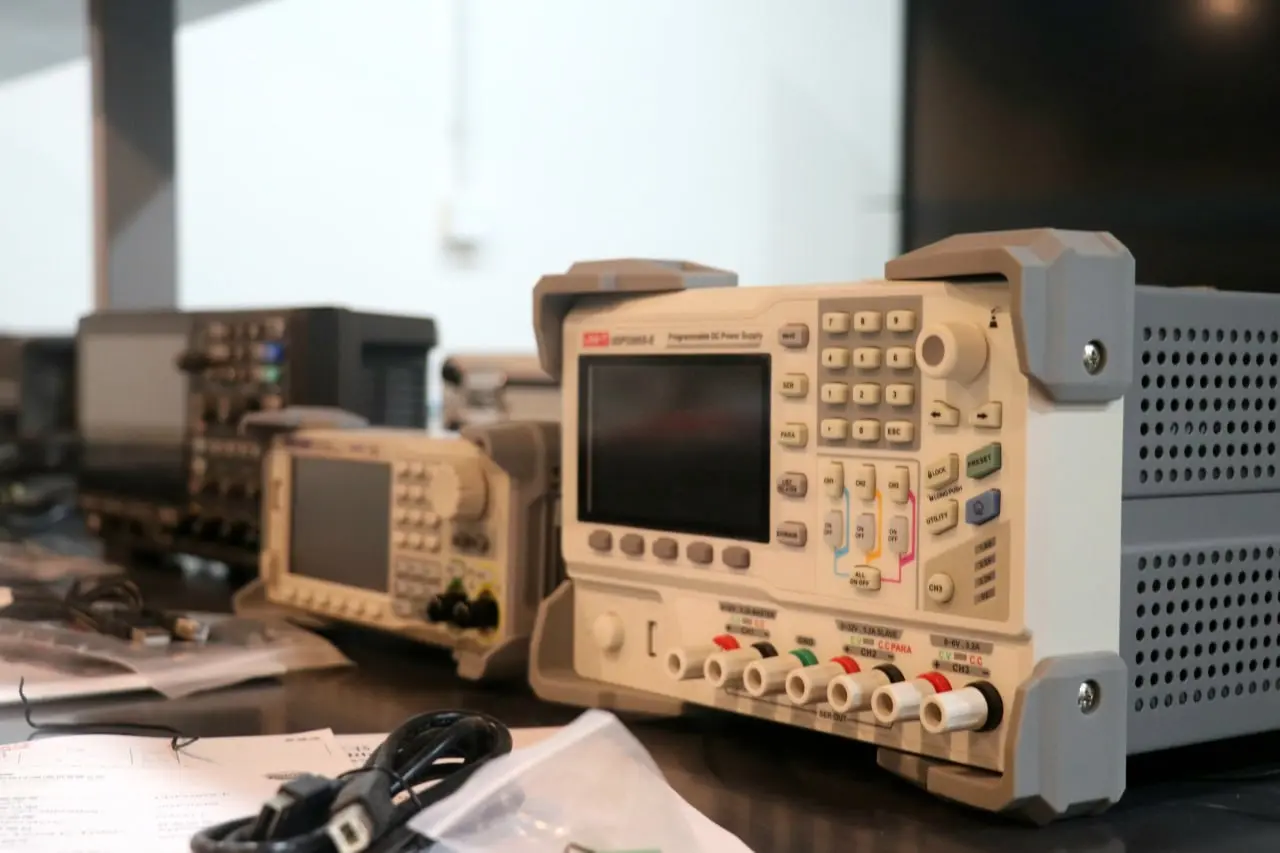
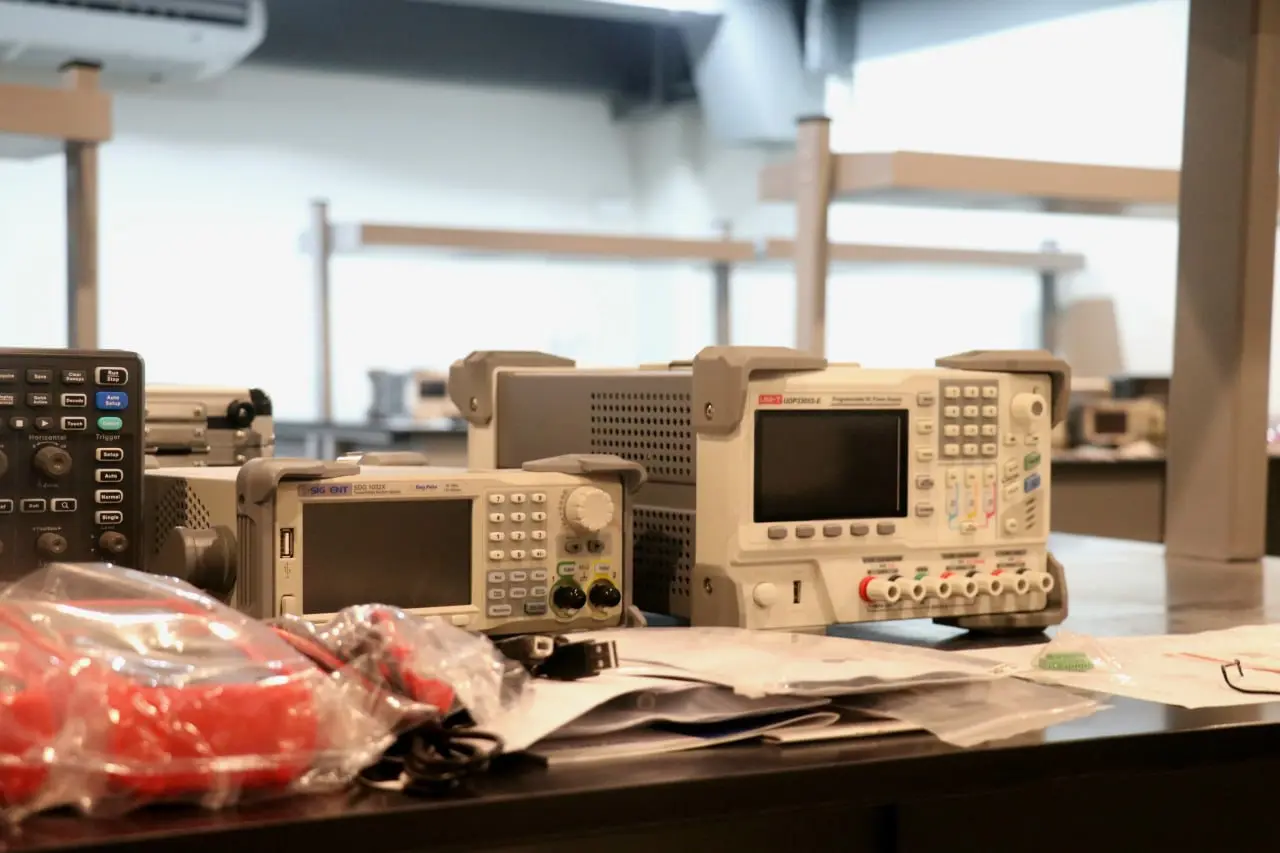
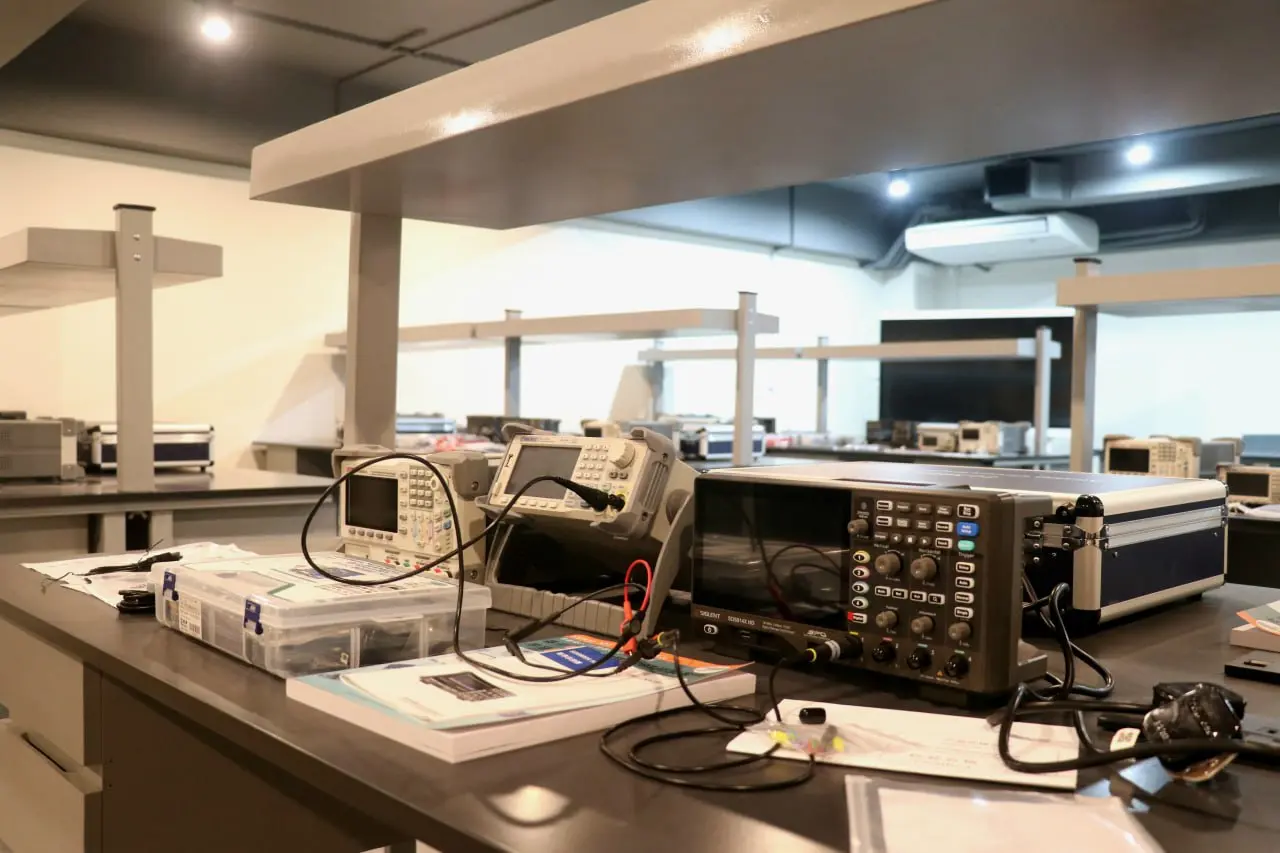
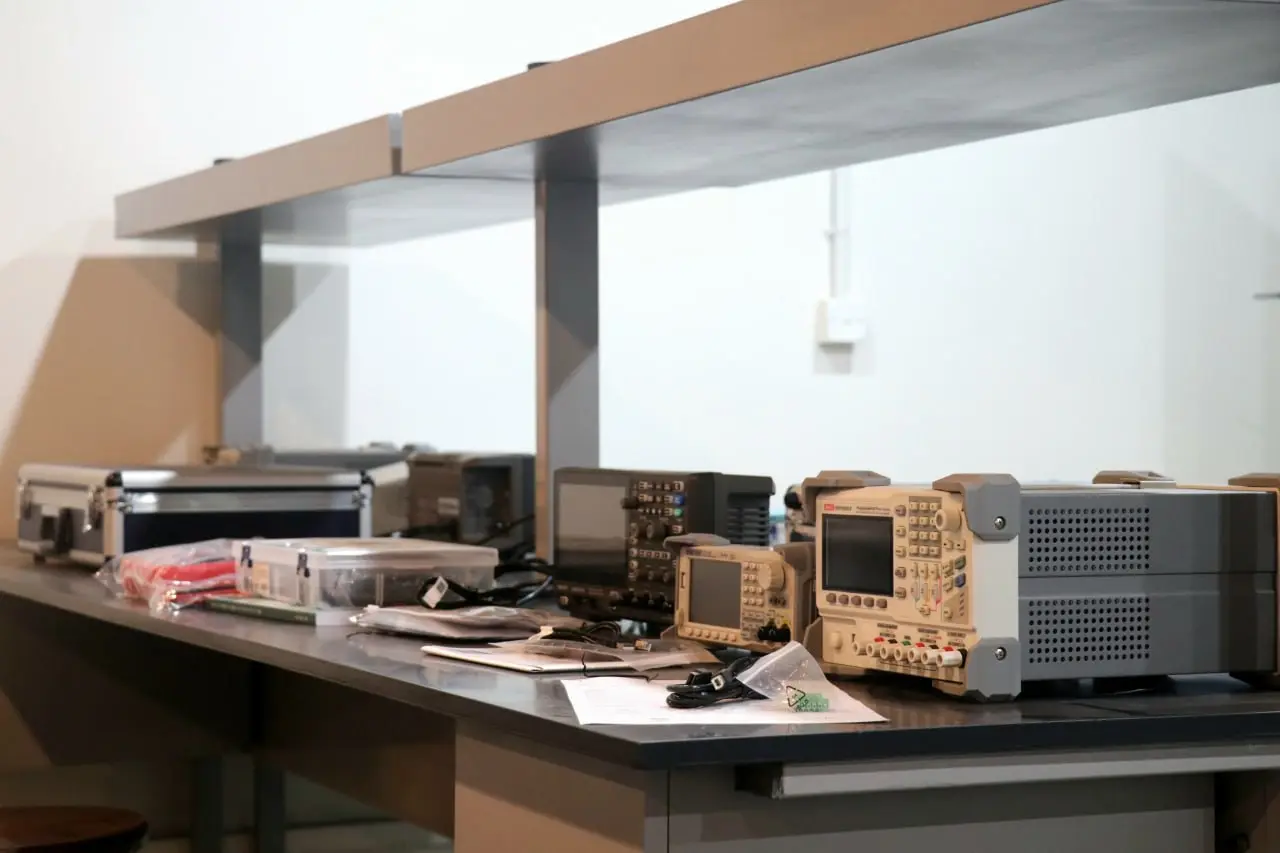
The laboratory is equipped with the latest-generation oscilloscopes, function generators and
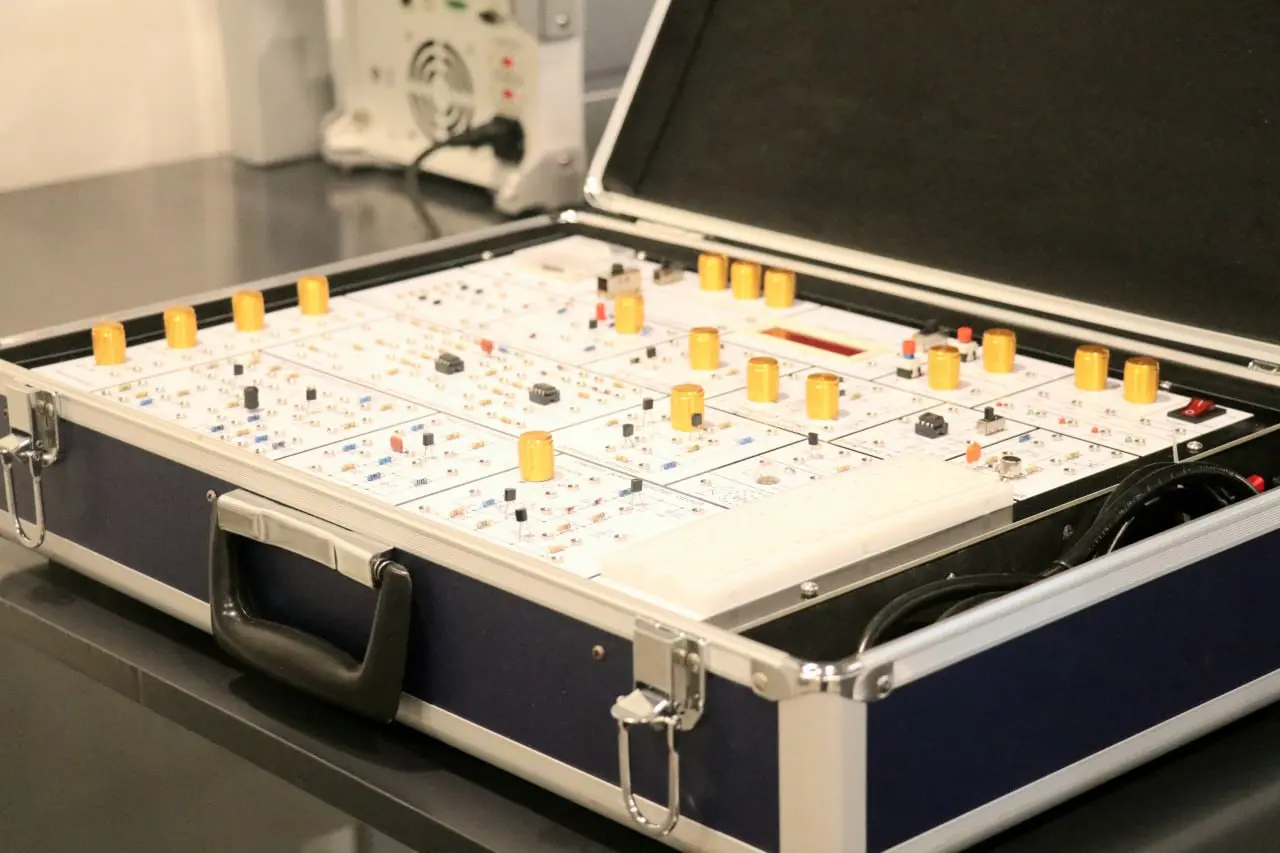
dual-mode power supplies, together with dedicated training and experimental boards for
analog and digital circuits. These resources enable students to build, test, measure and
analyse electrical and electronic circuits while developing a strong understanding of both
fundamental principles and practical engineering applications.
The laboratory supports practical learning across a broad range of areas, including:
- Electrical circuits and electrical engineering fundamentals
- Analog electronics and circuit design
- Digital electronics and logic circuits
- Embedded systems and hardware programming
- Microcontroller-based applications
- Motor control and electrical drives
- Power electronics and power electronic circuitries
- Electronic measurement and instrumentation
- Circuit testing, troubleshooting and analysis
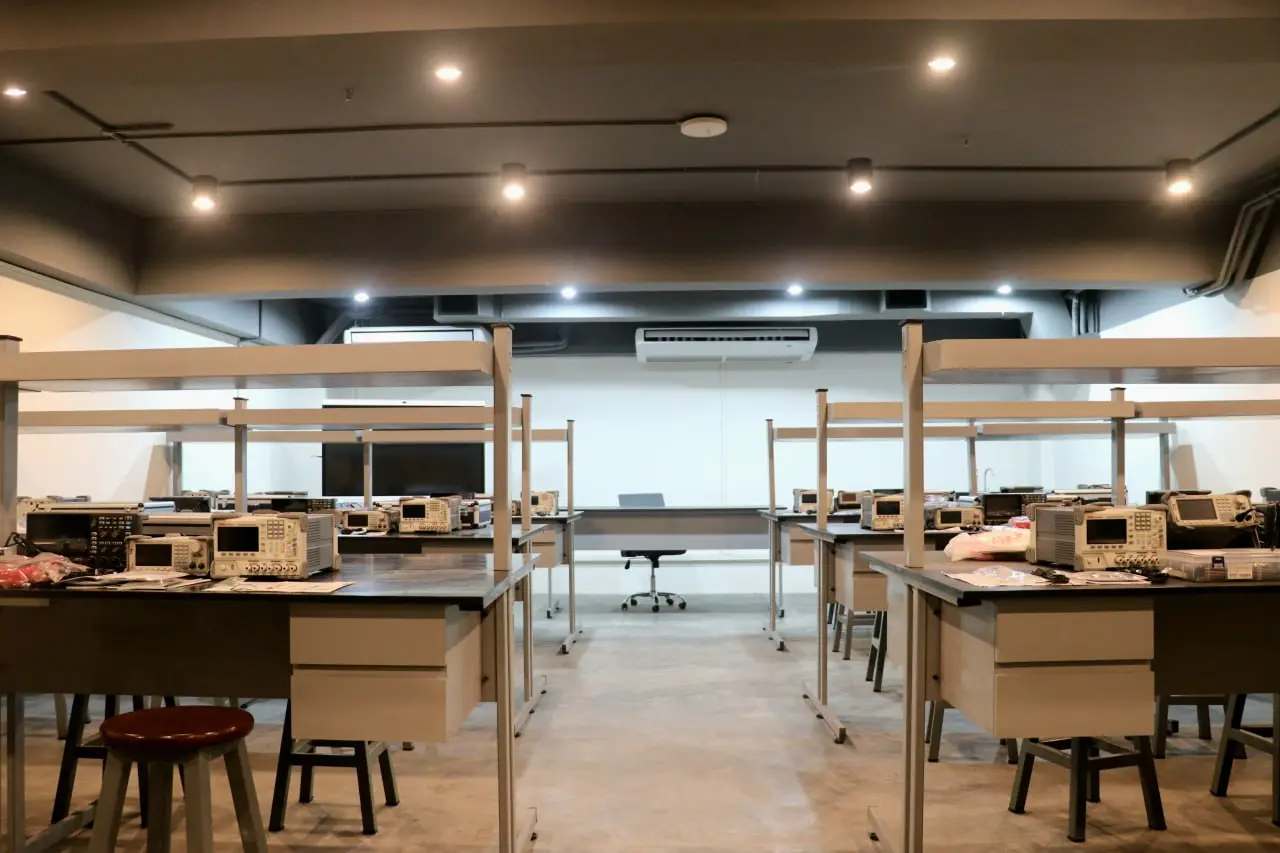
The laboratory is organised around six spacious workstations, providing capacity for up to
36
students at a time. The workstation-based setup allows students to carry out practical
experiments individually or in small groups, providing direct access to laboratory
instruments
and electronic training equipment.
A dedicated soldering area provides students with a suitable environment to develop
practical
skills in electronic assembly, component mounting, circuit modification and prototyping. The
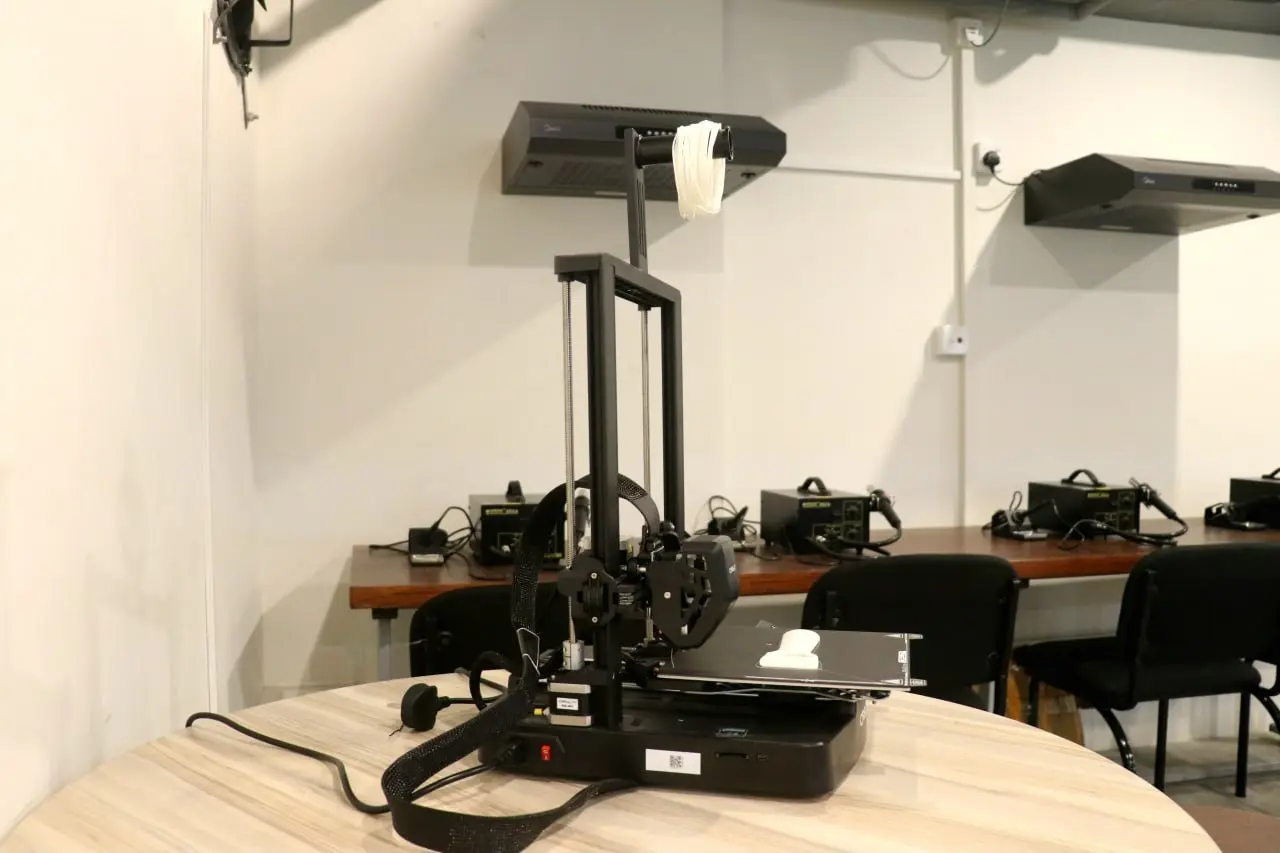
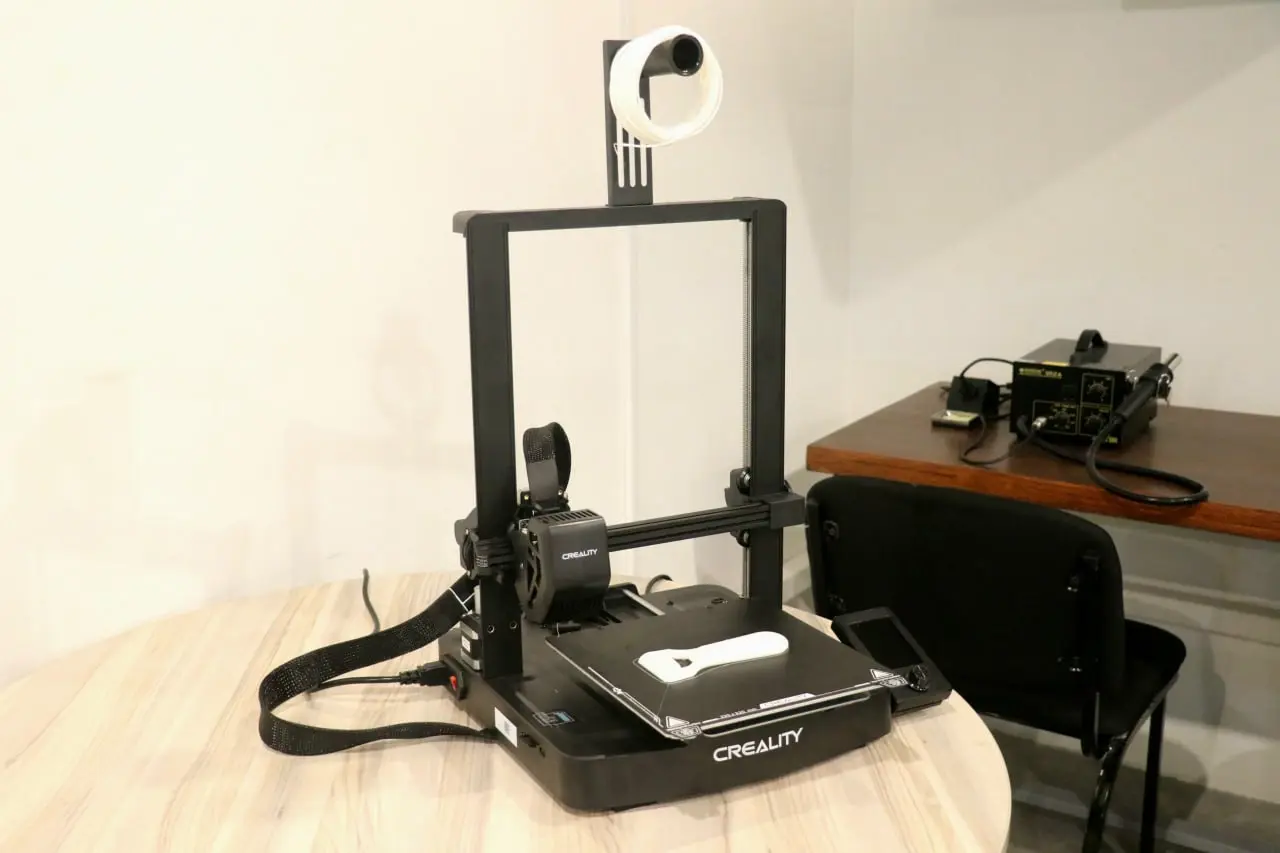
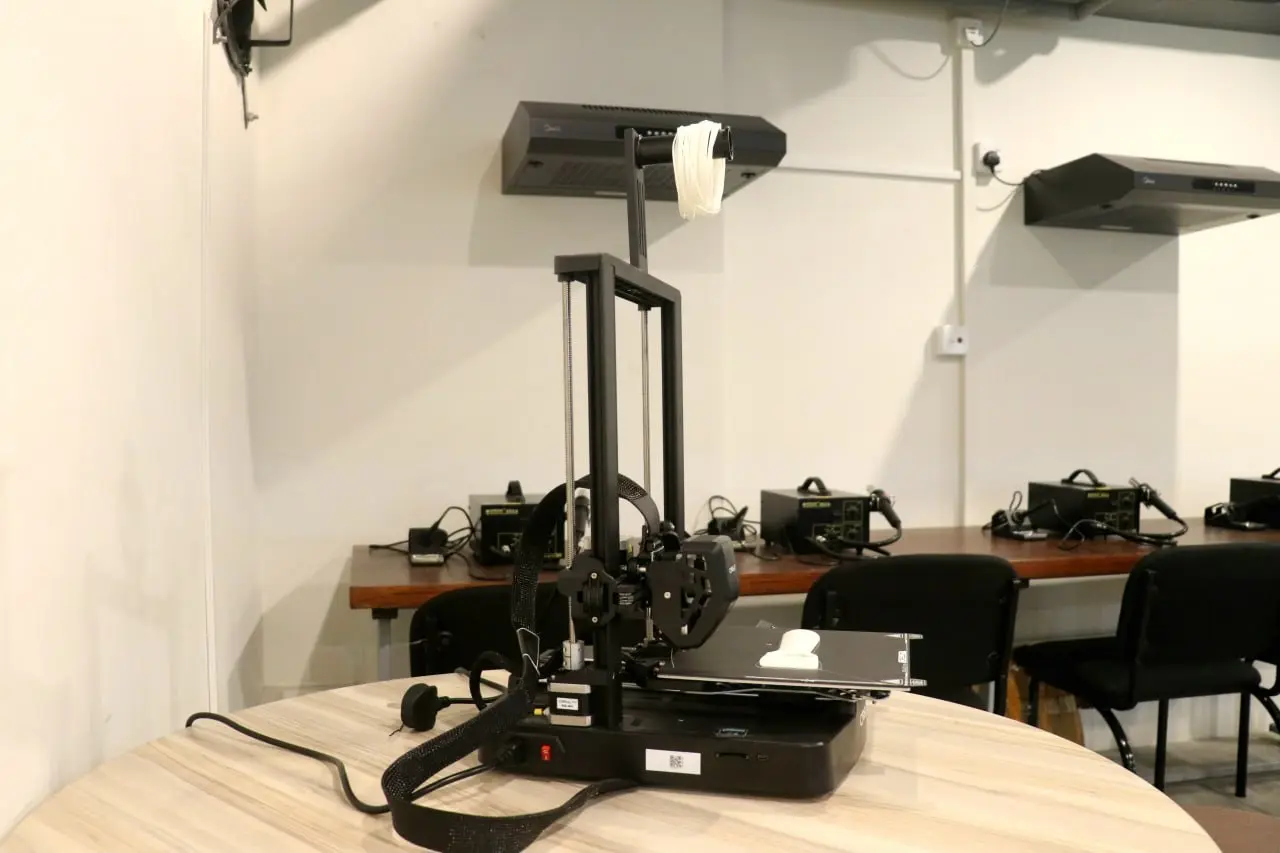
laboratory also includes a dedicated DIY and innovation corner, equipped with technologies
such
as 3D printers, portable CNC machines and PCB plotters. This enables students to move beyond
predefined laboratory experiments and develop their own electronic and engineering
prototypes.
The combination of professional laboratory instruments, dedicated training boards,
prototyping
facilities and fabrication technologies provides students with an environment where they can
design, build, program, test, measure, troubleshoot and refine their own electrical and
electronic systems.
With its comprehensive equipment base, the Electrical and Electronics Engineering Laboratory
supports practical learning across the major domains of electrical engineering and
electronics,
while also providing a strong foundation for modern areas such as embedded systems, hardware
programming, motor control and power electronics.
Overall, the laboratory is designed to transform theoretical knowledge into practical
engineering competence, giving students the opportunity to gain hands-on experience with the
technologies, tools and engineering practices used in contemporary electrical and
electronics
engineering.
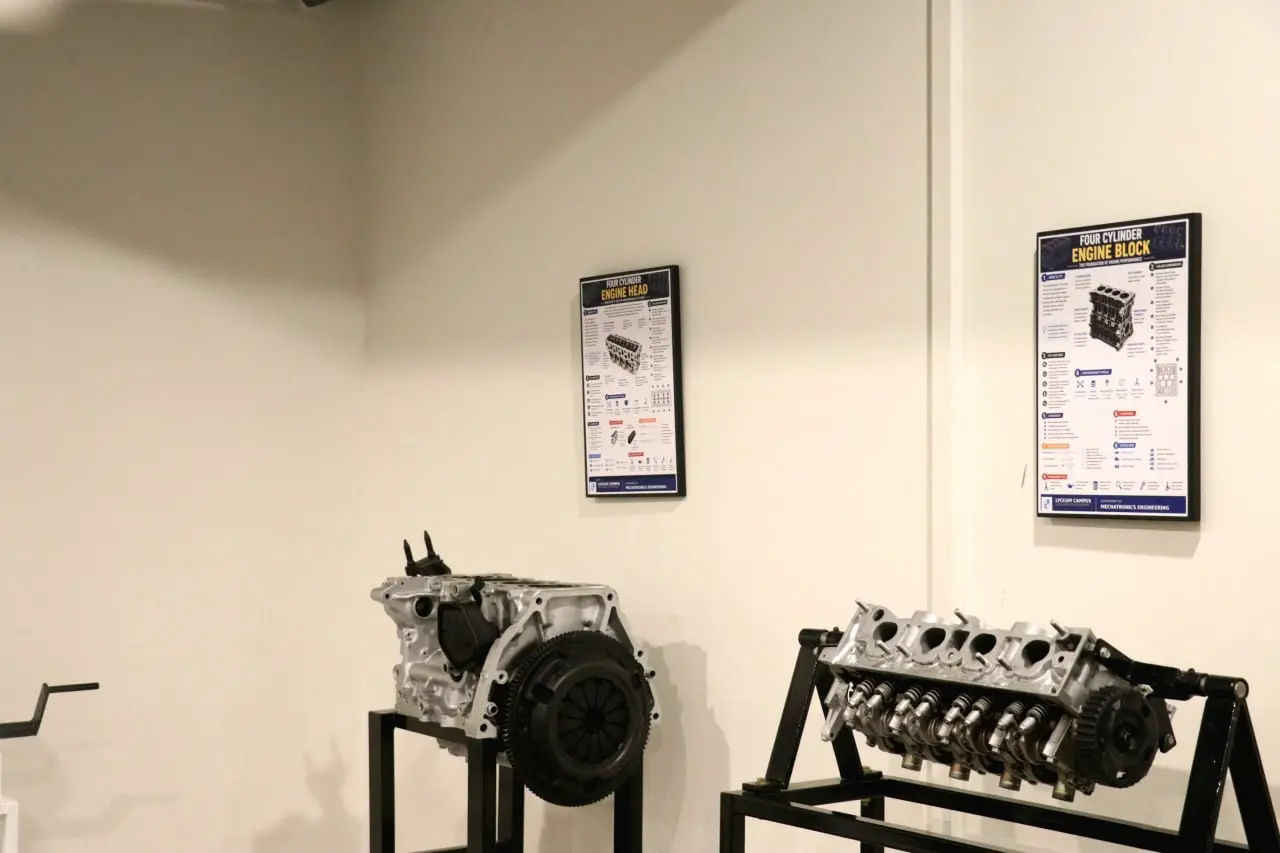
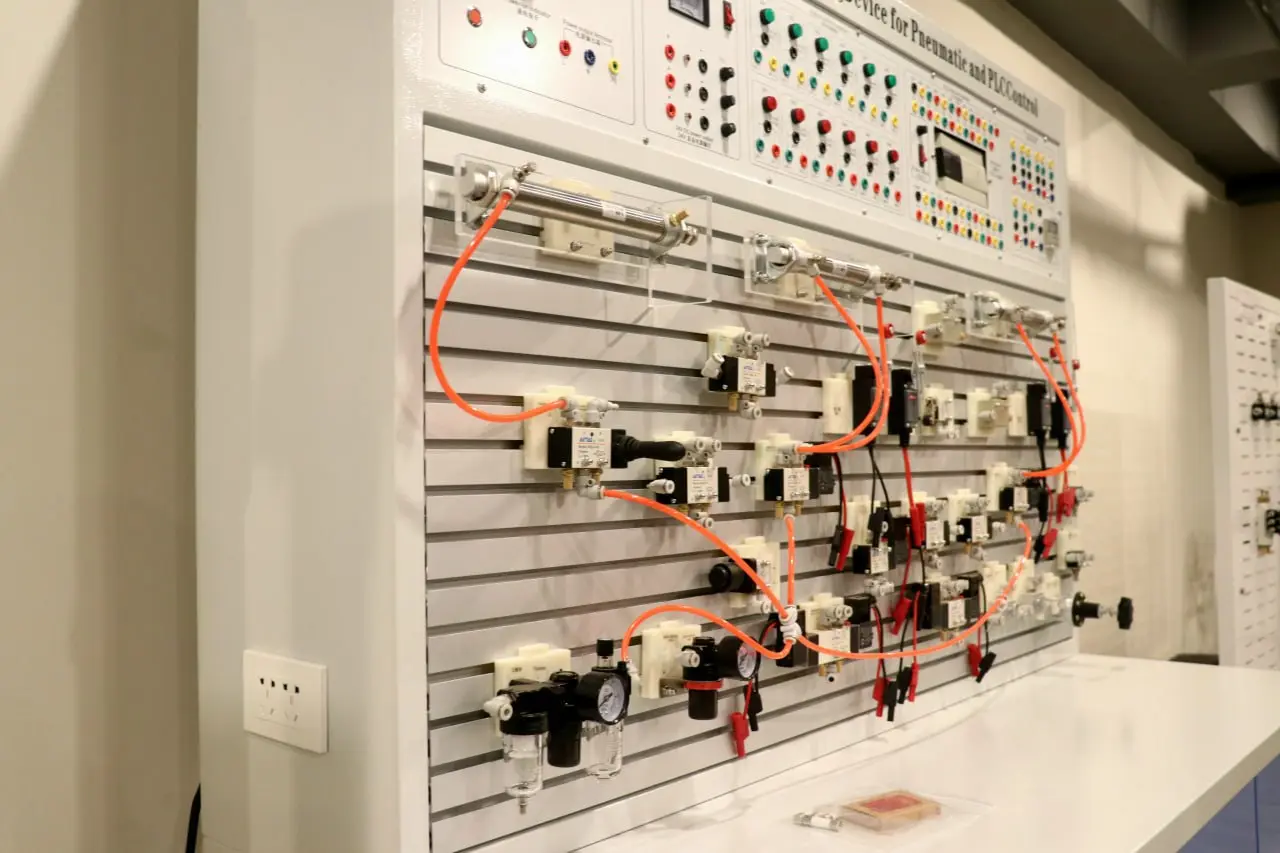
The Mechatronics Engineering Laboratory at Lyceum Campus is a comprehensive, hands-on
engineering facility designed to provide students with practical experience across a wide
range of mechanical and mechatronics engineering applications. The laboratory brings
together mechanical systems, power transmission, fluid power, automation, control, sensing
and instrumentation, enabling students to understand how different engineering
technologies work individually and as integrated systems.
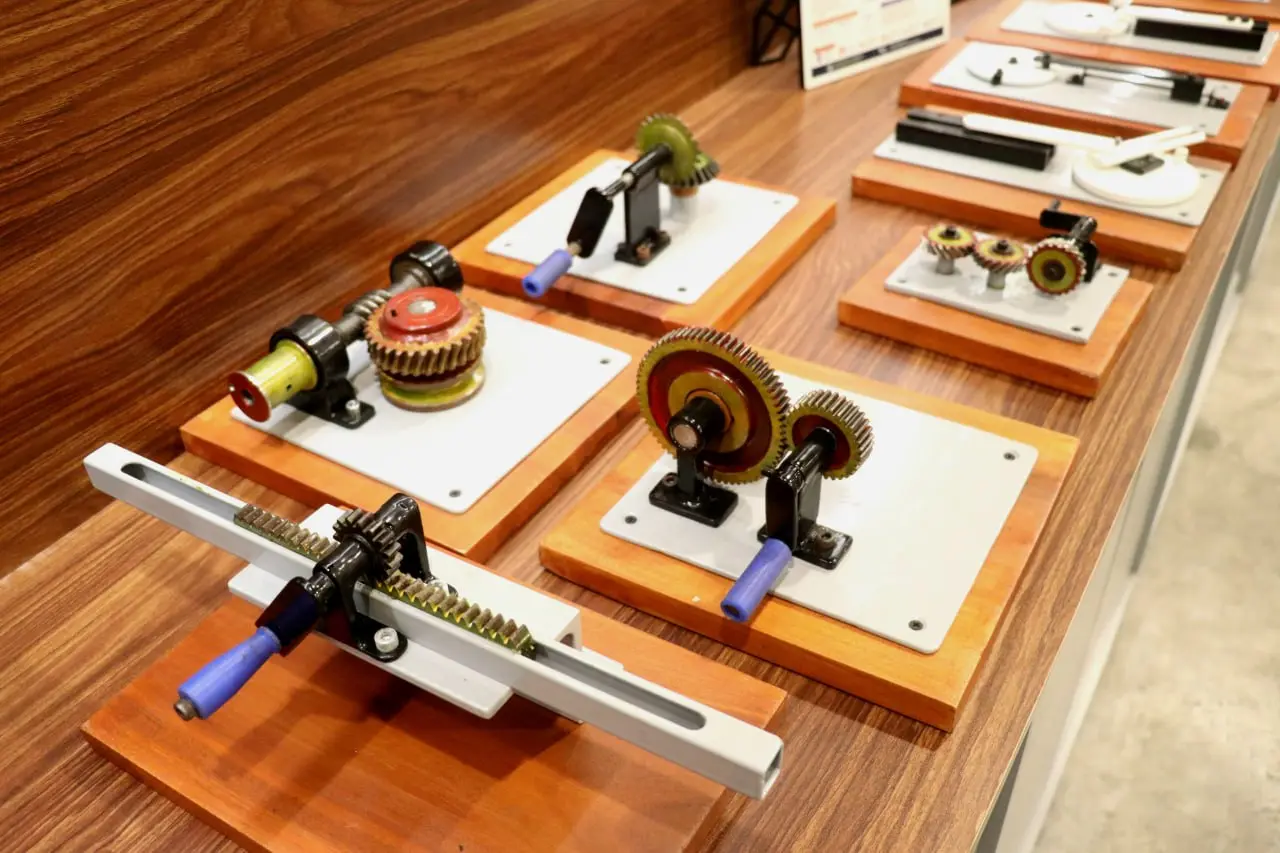
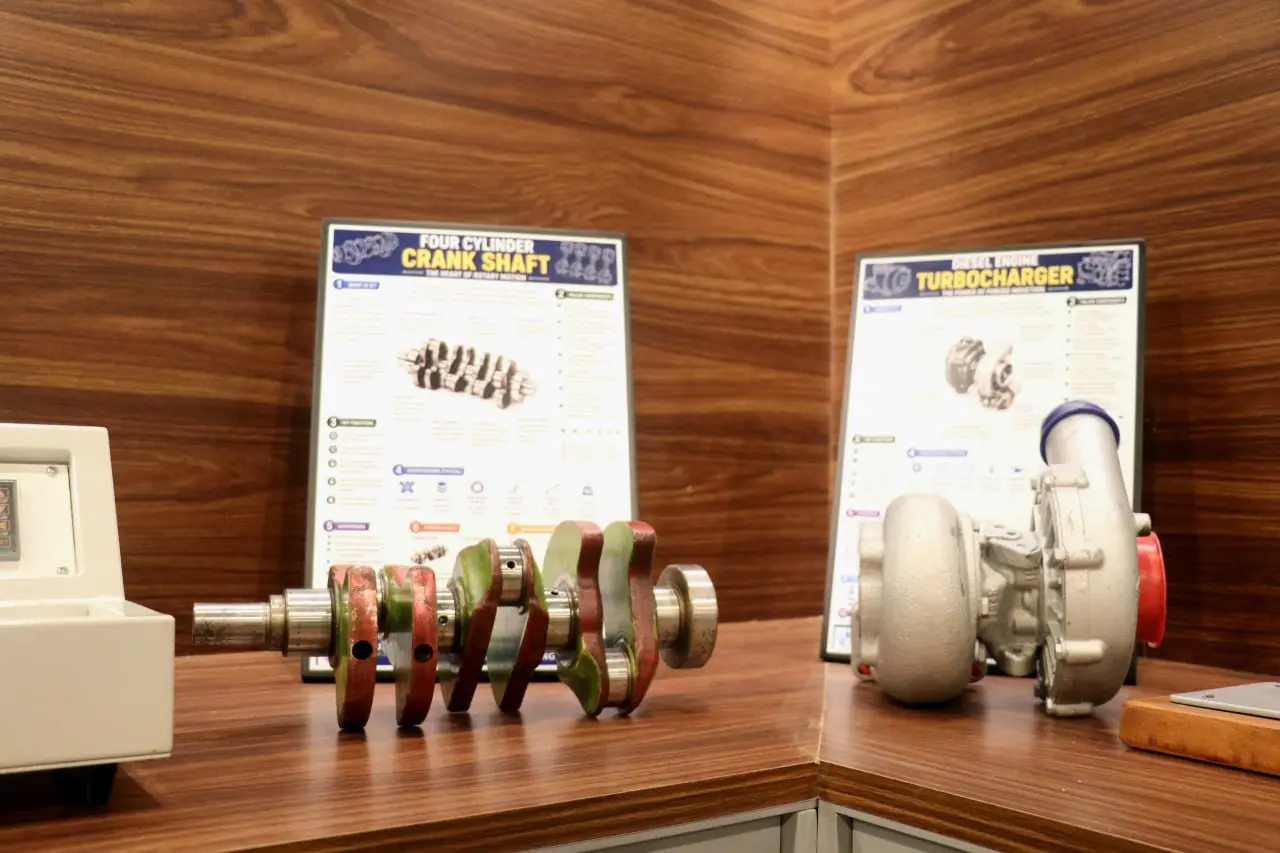
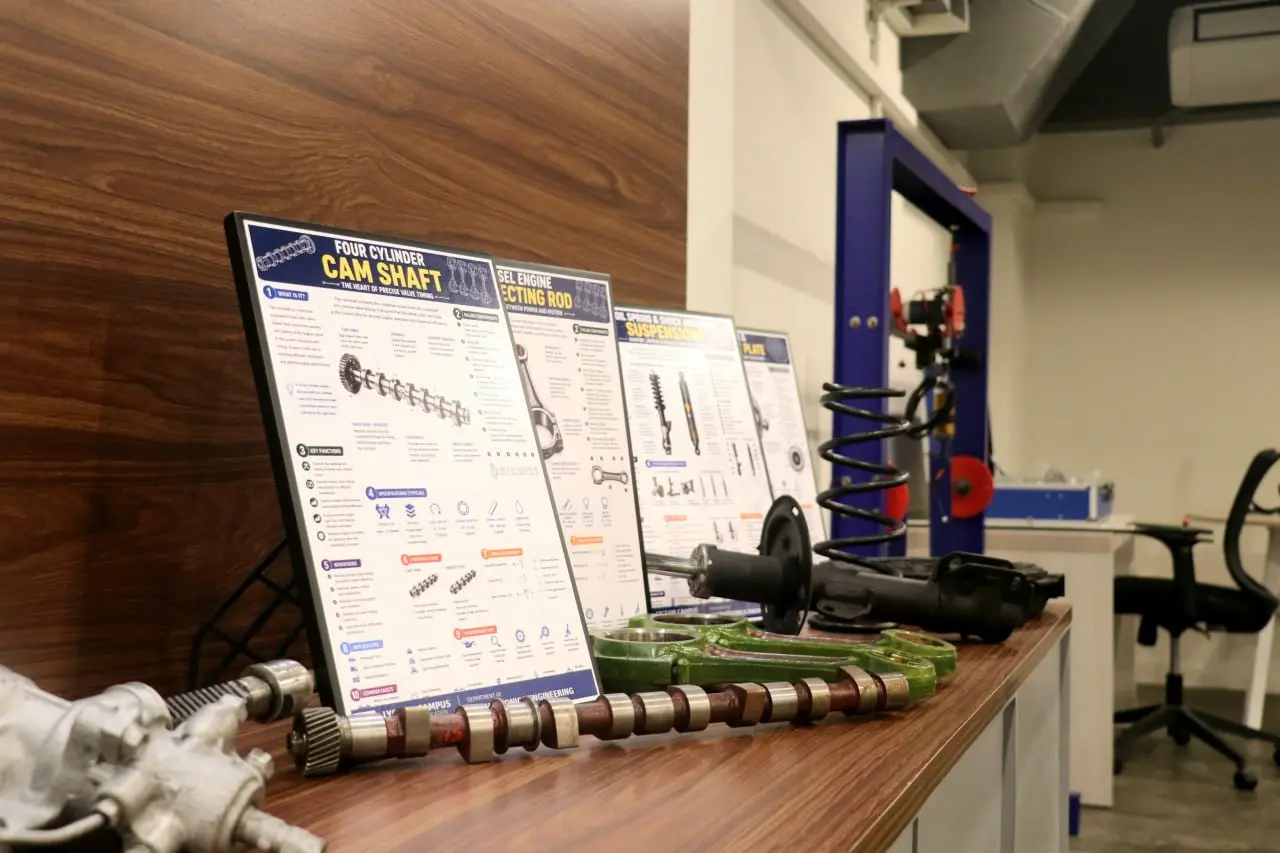
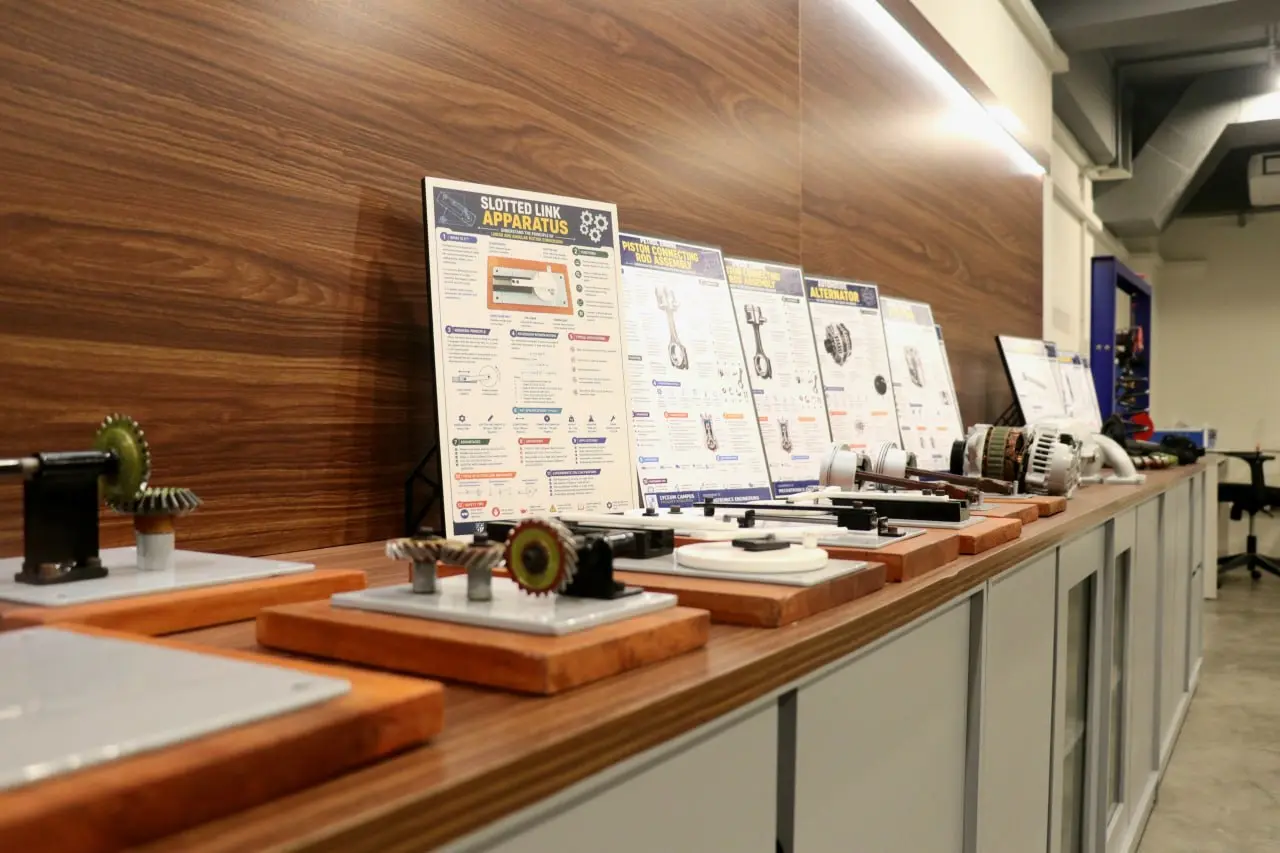
The laboratory includes a range of demonstration and training setups that allow students
to observe and understand different methods of mechanical power transmission, motion,
mechanisms, machine elements and mechanical design principles. These setups provide a
practical understanding of how mechanical systems are designed, assembled and operated.
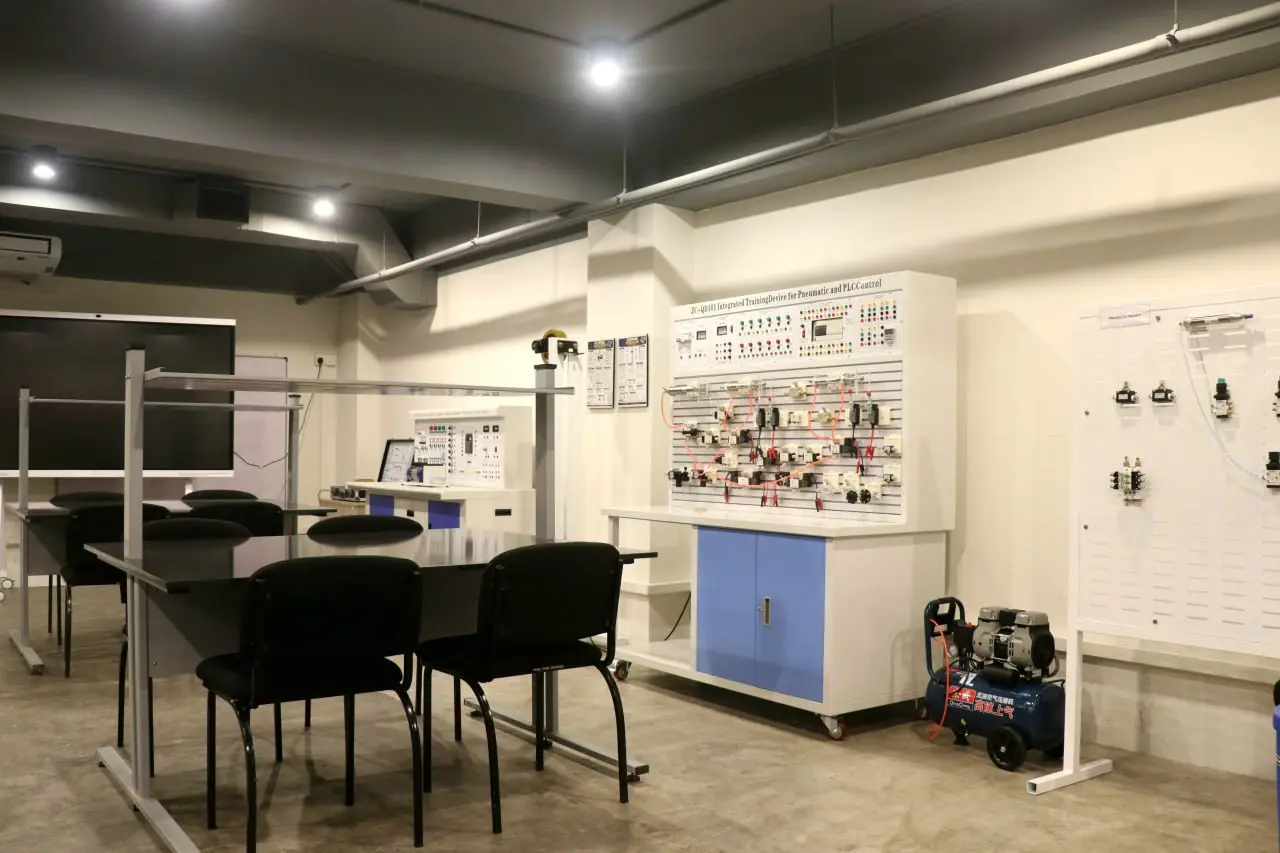
Students also have access to equipment and practical setups for hands-on learning in areas
including:
- Mechanics and mechanical systems
- Power transmission and mechanisms
- Hydraulics
- Pneumatics
- Vibration and dynamic systems
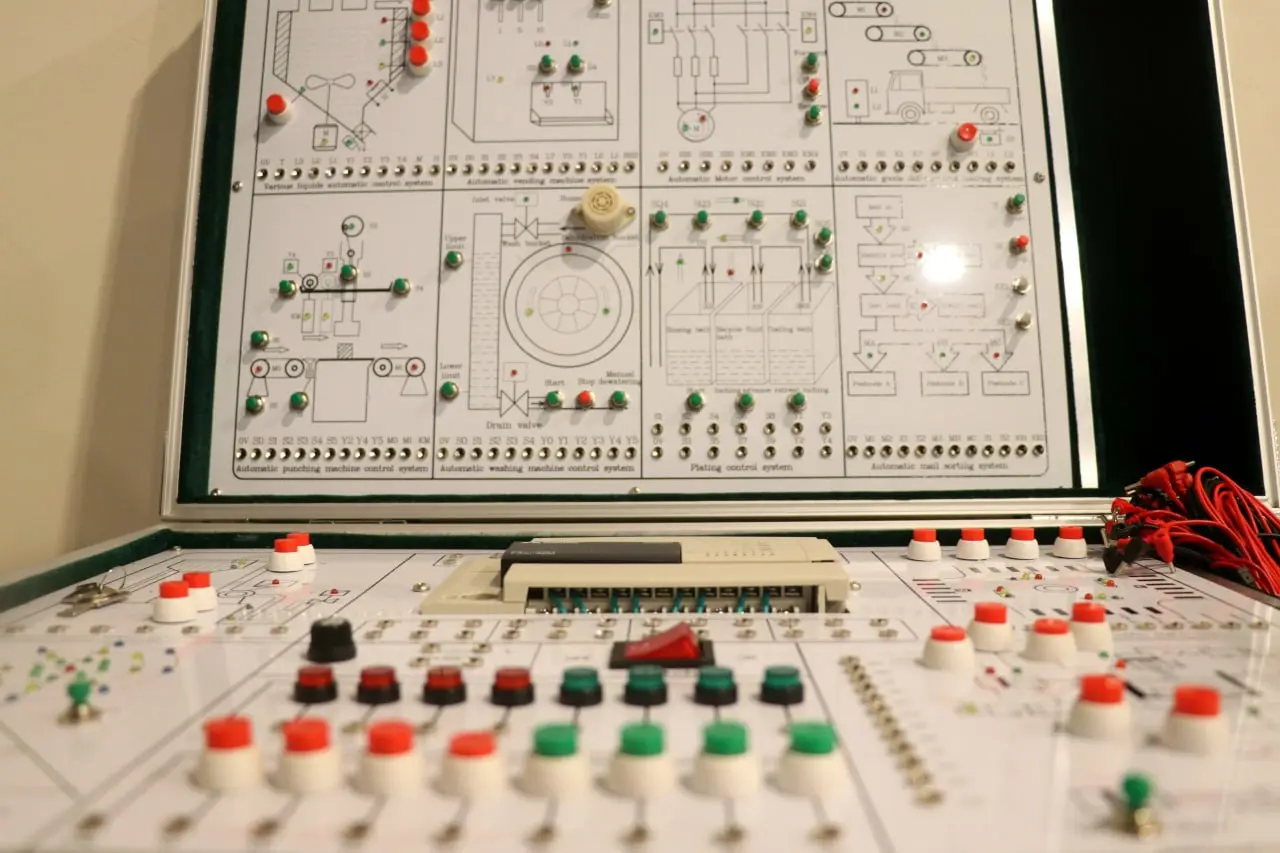
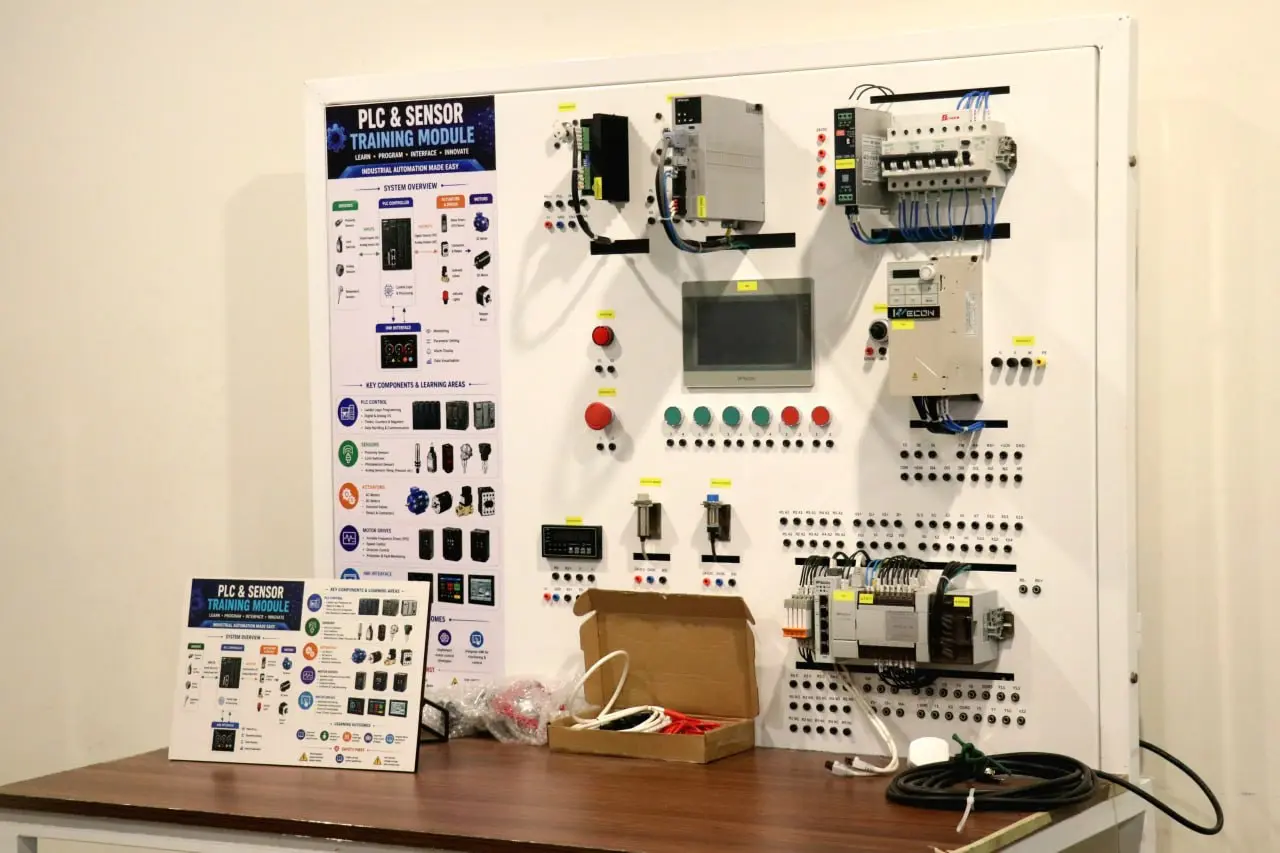
- Automation and control
- Sensors and sensor integration
- PLC-based control and automation
- Actuators and electromechanical systems
- Mechatronic system integration
A dedicated four-workstation project area provides students with space to undertake DIY
activities, prototypes, engineering designs and individual or group projects. These
workstations encourage students to experiment, build, test and improve their own
engineering solutions in a practical environment.
The laboratory has been established with a broad equipment base covering mechanical
engineering and mechatronics-related domains, allowing students to progress from
understanding fundamental mechanical principles to working with integrated automated and
intelligent systems.
Overall, the Mechatronics Engineering Laboratory provides a practical, project-oriented
learning environment where students can move beyond theoretical concepts and gain hands-on
experience in designing, assembling, operating, testing and troubleshooting engineering
systems — preparing them for the technologies and applications of modern engineering
industries.